
 Will Jones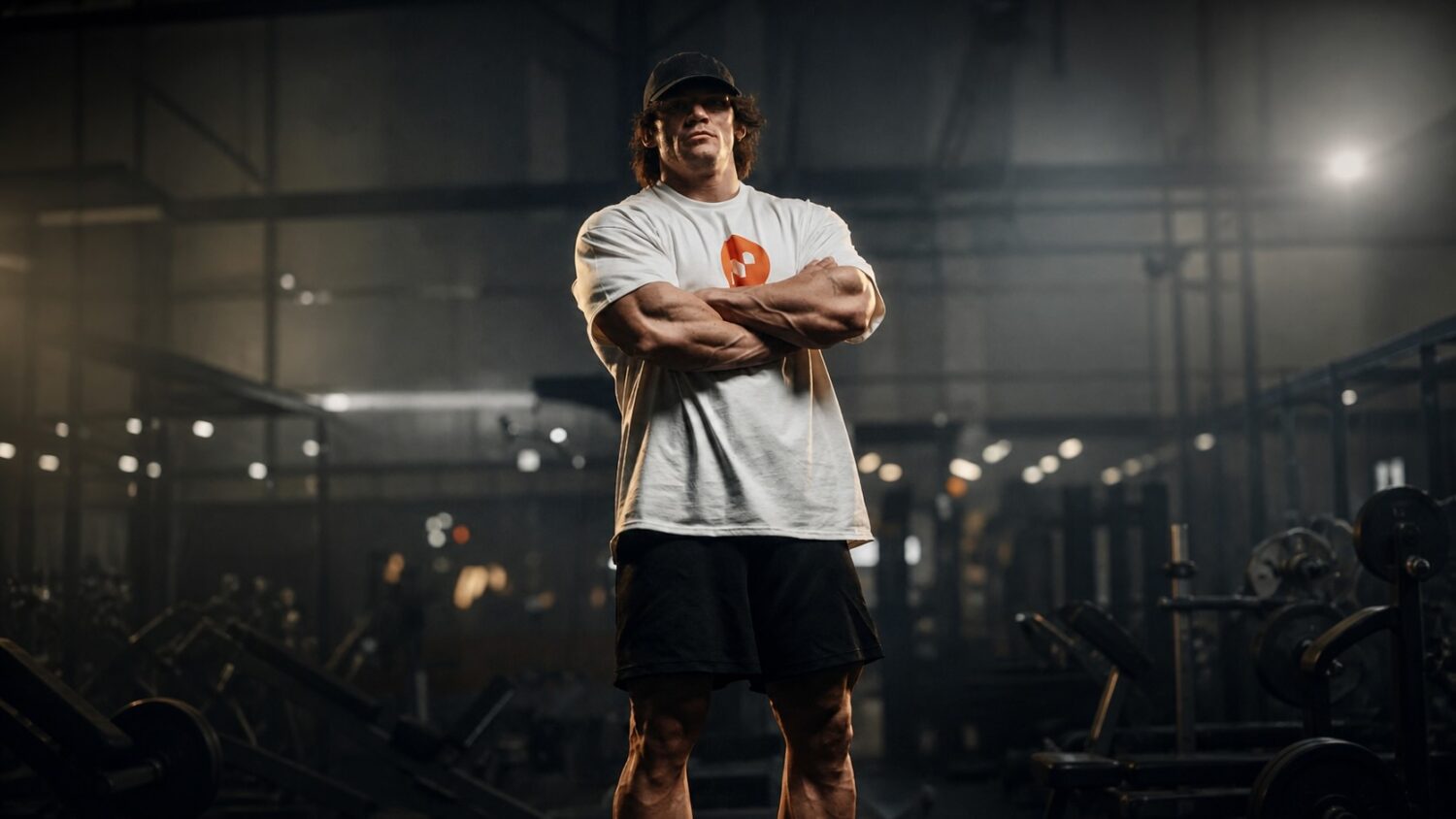
For a long time, fitness conversations tended to revolve around effort.
Train harder. Run farther. Lift heavier. Stay consistent.
But as interest in exercise science has grown, another part of the equation has become harder to overlook: what happens after the workout.
Recovery has become a subject of increasing interest among athletes and fitness enthusiasts who want to understand how the body responds to training over time. Sleep, rest, nutrition, workload, and individual differences are now discussed alongside exercise itself.
That change reflects a broader shift in the way people approach fitness.
Recovery is no longer simply the empty space between workouts. It has become something people actively observe, measure, discuss, and sometimes try to optimize.
Recovery Has Become Its Own Fitness Category
Scroll through modern fitness content and recovery is everywhere.
Sleep scores, rest days, mobility sessions, training-load discussions, wearable metrics, and recovery routines have all become part of the conversation.
That represents a significant change.
For years, fitness culture often rewarded visible effort. A difficult workout was easy to recognize. Recovery required much more patience because the process happened largely out of sight.
Technology has changed that.
People now have more ways to record sleep, activity, heart-rate trends, and other measurements. Even when those measurements cannot explain everything, they give users new information about their routines.
The result is a fitness culture that increasingly treats recovery as something worth paying attention to in its own right.
When More Data Creates More Questions
Having more information does not necessarily make recovery easier to understand.
A wearable can record a measurement, but the number still needs context.
Someone may sleep for a certain number of hours and feel tired. Another person may report a similar number and feel ready for another demanding session. Training history, lifestyle, stress, nutrition, and individual physiology can all affect how someone experiences recovery.
That variability is important.
It means that a recovery score should not automatically be treated as a complete explanation of what is happening.
Instead, the growing amount of personal data can be viewed as another source of questions.
Why did one week feel different from another? Why does the same workload produce different experiences? What factors appear to influence recovery over time?
Those are questions that individual tracking can raise, while scientific research can investigate more systematically.
Recovery Culture Meets Research
The popularity of recovery has also created a new challenge for consumers.
Trends can spread much faster than evidence.
A particular routine can become popular because athletes discuss it online. A new device can generate excitement because it produces an impressive-looking score. A particular recovery strategy can become common before researchers have fully investigated its effects.
That does not make every trend useless.
It does mean that popularity and scientific evidence should not be treated as the same thing.
Research can help separate an interesting observation from a finding supported by a broader body of evidence.
For a growing recovery-focused audience, that distinction is becoming increasingly valuable.
What Happens Between the Studies
Scientific research itself requires a process that is rarely visible to the people following fitness trends.
Researchers design studies, establish procedures, collect information, analyze observations, and examine limitations.
Those activities depend on laboratories, technical expertise, research materials, and appropriate documentation.
The infrastructure behind a study may not attract the same attention as the eventual result, but it is part of what makes systematic investigation possible.
This is an important distinction when discussing recovery research.
A popular recovery routine may begin with an individual’s experience. A scientific investigation begins with a question and a method for examining it.
Where NewBioRx Enters the Story
NewBioRx operates on the research side of this broader landscape.
The company supplies materials intended for research and development and describes quality controls and analytical testing as part of its approach.
Its work is therefore connected to the scientific processes used to investigate biological questions, rather than to the consumer recovery products or routines that dominate social media.
That position gives NewBioRx a different relationship to the performance conversation.
It sits behind the research rather than at the point where consumers encounter a fitness trend.
For researchers investigating biological processes, the materials and documentation surrounding an experiment can become important parts of the overall workflow.
Why Individual Recovery Remains Difficult to Explain
One reason recovery continues to attract scientific attention is that people do not respond identically to physical demands.
Training history can differ. Sleep patterns differ. Nutrition differs. Stress and daily activity differ.
Even people following similar programs may not experience the same fatigue or recovery timeline.
This makes simple recovery formulas appealing, but also potentially misleading.
Research can identify patterns and relationships without necessarily producing one universal answer.
That uncertainty is not unusual in science.
It is a reminder that the human body is a complex system, and that understanding it often requires looking at several variables at once.
A Fitness Audience Becoming More Curious
Sam Sulek’s public career illustrates another part of this change.
Sam Sulek built his audience through bodybuilding and fitness content, where viewers could follow his training and physical development.
His involvement with NewBioRx places him in a setting that is considerably less visible: the business and research side of the life sciences.
For a fitness audience, that connection offers an unusual reminder that the subjects they encounter every day—training, recovery, physiology, adaptation—also exist as areas of scientific investigation.
The gym may be where people experience performance.
Research is where many of the questions about that performance are examined.
Rethinking Recovery
The modern recovery conversation is likely to become more sophisticated as both technology and research continue to develop.
People will have access to more measurements. Researchers will continue investigating how physical demands affect individuals. New questions will emerge as existing explanations become more detailed.
The challenge will be separating useful information from the enormous amount of advice surrounding it.
Recovery does not have to become another competition.
It can instead be an opportunity to understand how training, rest, sleep, nutrition, and individual differences interact.
That may ultimately be more valuable than chasing a perfect recovery score.
The science of recovery is still developing, and the more people pay attention to it, the more obvious its complexity becomes.
For a fitness culture increasingly interested in what happens between workouts, that complexity may be exactly what makes recovery worth understanding.
Advertising disclosure: We may receive compensation for some of the links in our stories. Thank you for supporting Irvine Weekly and our advertisers.